


What snow driving looks like
Common surfaces include fresh powder, packed snow with polished tracks, slush ruts that tug at the wheel, and black ice that looks like wet asphalt.
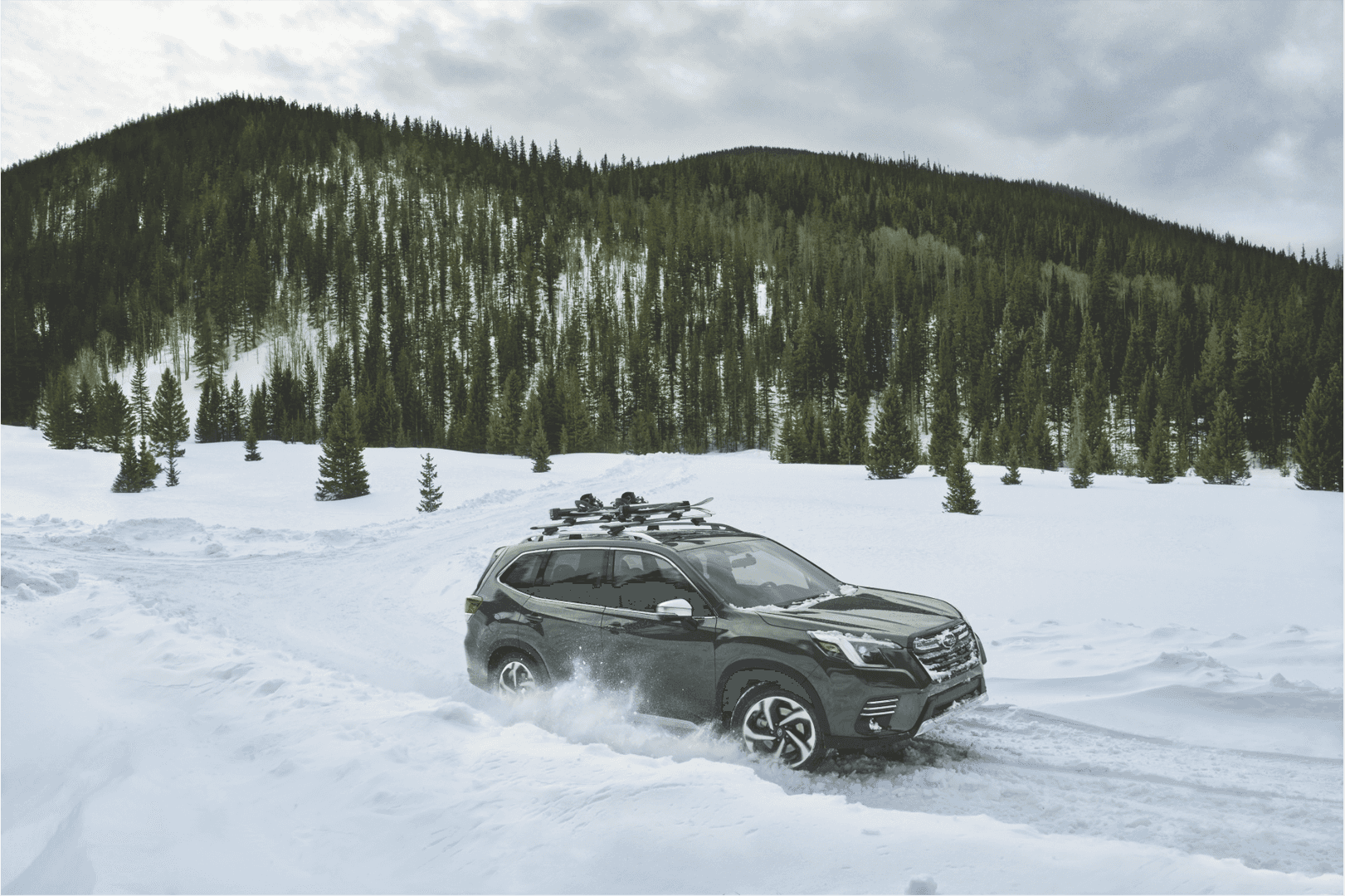
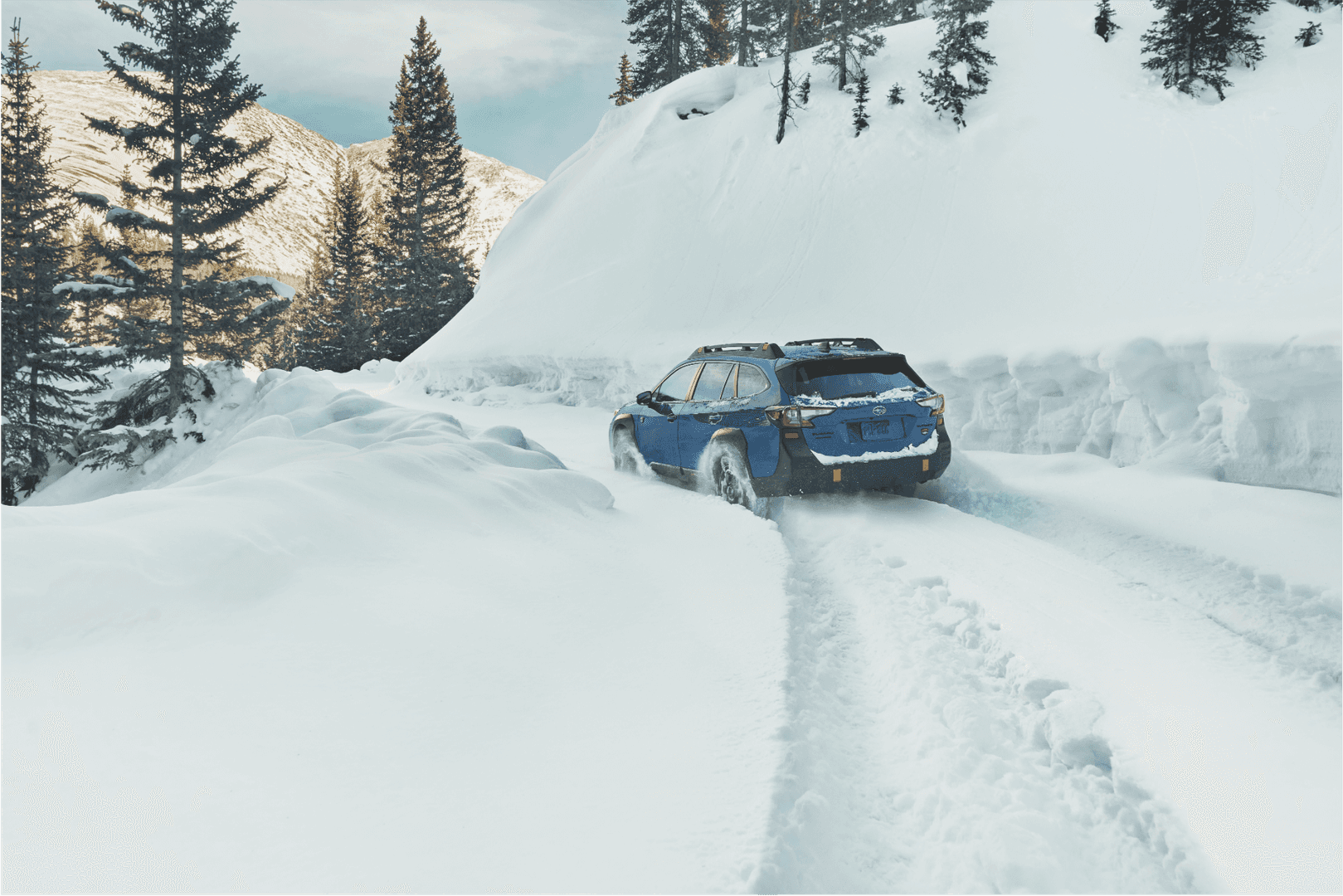
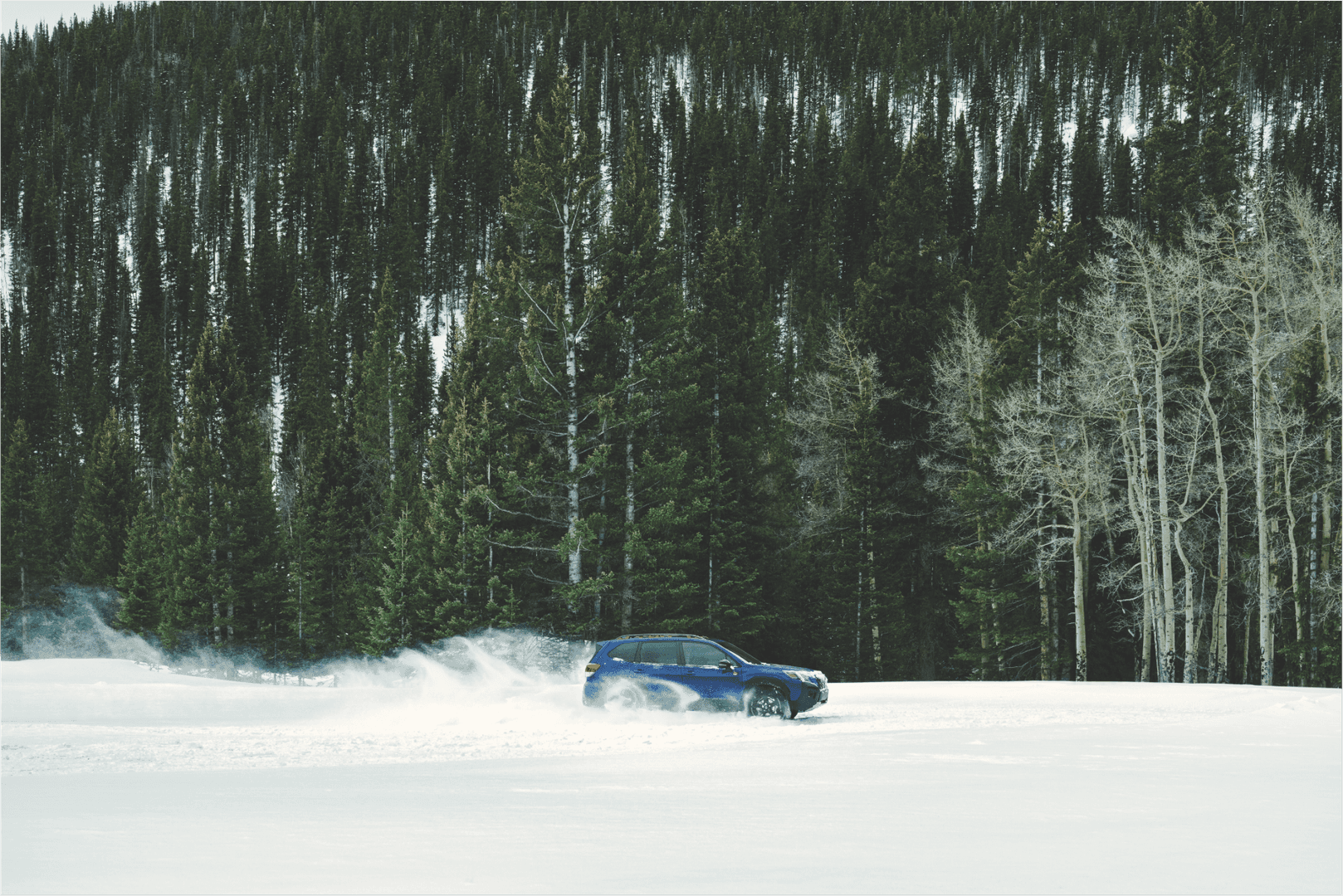
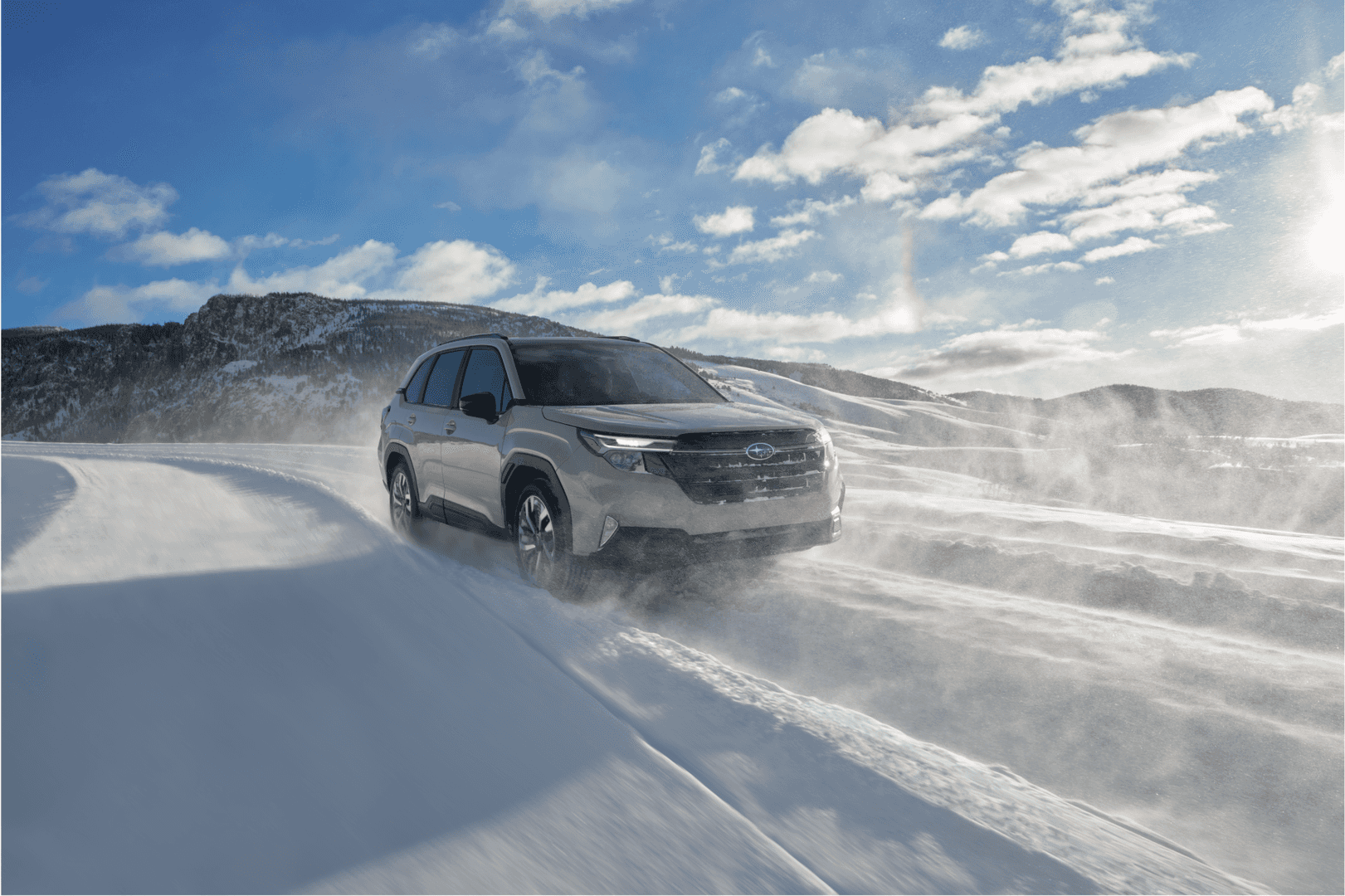
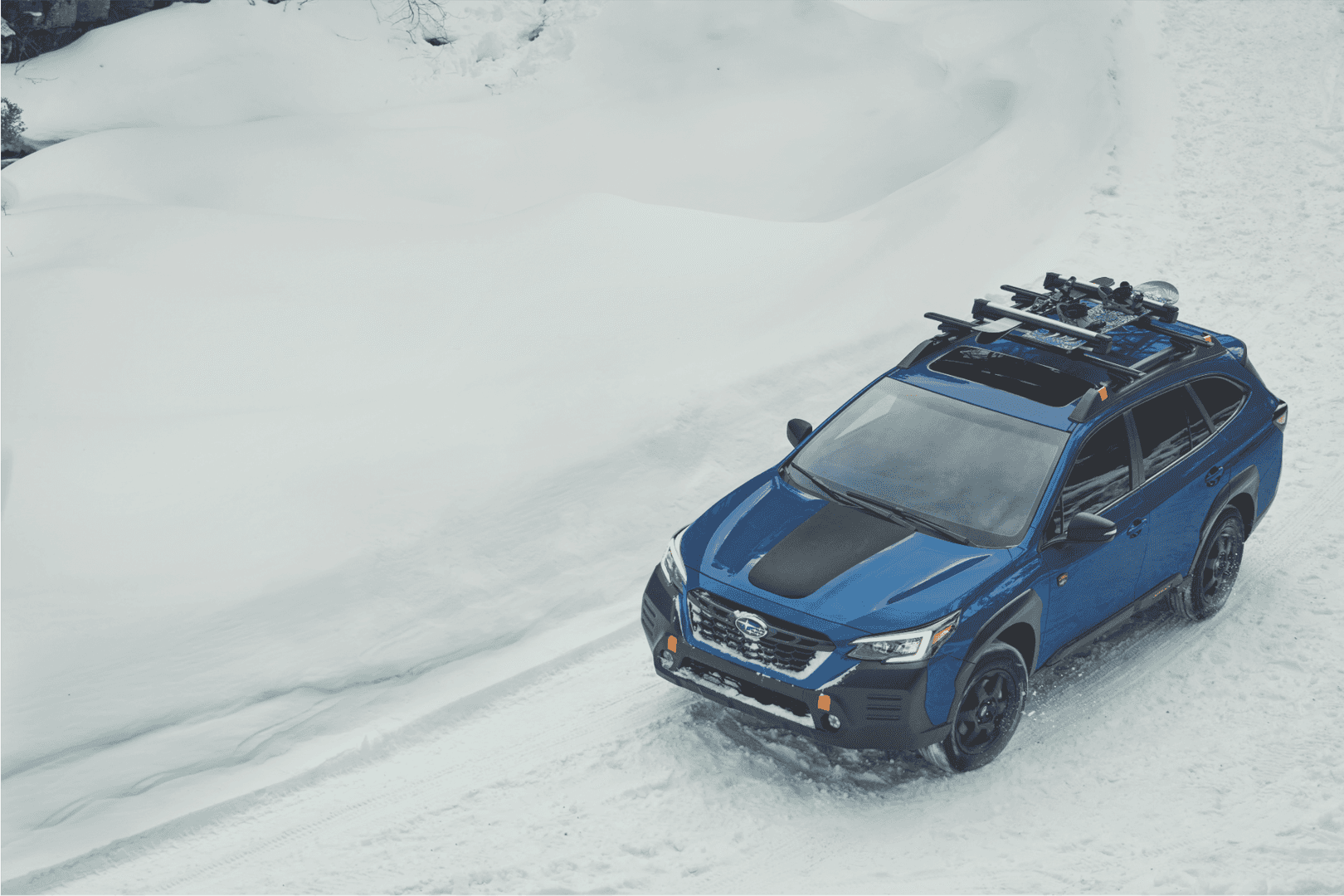
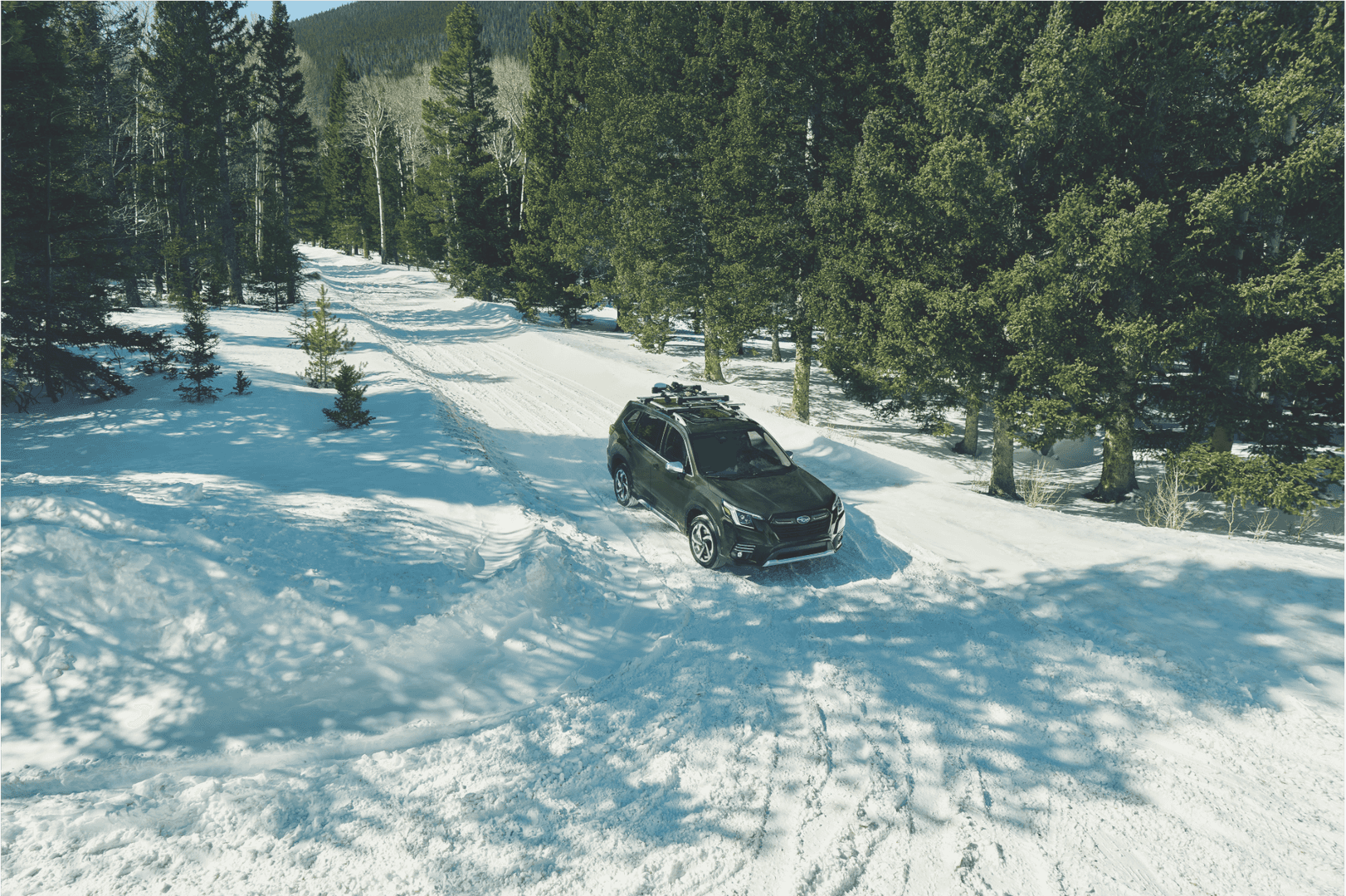
What to expect on snow and ice
Snow changes grip quickly. Fresh powder can feel stable at low speed, then becomes packed snow and later glaze ice as traffic polishes it. Black ice looks like wet pavement and hides in shade or near bridges. In coastal areas snow is wetter and can refreeze into hard slick patches after temperature drops or wind events.
Vehicle setup that matters
Tires make or break your day
- Winter tires with the three peak mountain snowflake symbol. All season is not enough in real winter.
- Tread depth 6/32 inch or more. Below that, braking distance grows fast on slush and ice.
- Pressure set when cold per the door jamb label. Cold snaps drop PSI and hurt grip.
- Studded vs studless: Studded can help on glaze ice. Quality studless tires are quiet and grip well in mixed slush and snow.
Visibility and readiness
- Washer fluid rated to at least -20°F. Top up and keep a spare in back.
- Wipers that do not streak. Winter beam blades resist ice buildup.
- Battery test. Cold robs cranking amps. Replace if marginal.
- Load smart: clear snow from roof and hood so it does not slide over your windshield under braking.
- Winter kit: small shovel, traction boards or sand, tow strap, gloves, hat, headlamp, blanket, phone cable, snacks.
Golden rules on the road
- Slow inputs. Press the gas and brake like there is an egg under your shoe.
- Brake early and straight. Do most of your slowing before the corner while the wheel is straight.
- Look far. Your hands follow your eyes. Pick your path down the block.
- Leave space. At least 6 seconds in town. Add more on faster roads.
- Read the surface. Gray glassy patches in shade are likely black ice. Fresh snow on old ice is the trickiest mix.
Step by step skills
1) Starting on a slick hill
- Clear a path. Kick or shovel packed snow from behind your drive tires.
- Turn off auto hold if equipped. Use your parking brake to prevent rolling back, then release as you gently add throttle.
- Use the highest gear you can in a manual. In an automatic or CVT, use Low only for controlled descents, not for starting.
- Feather the throttle and let the tires bite. If one spins, ease off.
2) Controlled downhill on ice
- Start slow at the top. Speed at the top is speed you cannot remove later.
- Keep wheels straight while braking. If you feel a slide, release a touch and reapply gently.
- Use engine braking. Select L or downshift a manual.
3) Cornering on packed snow
- Brake in a straight line before the turn. Come off the brake as you add a small, steady steering angle.
- Aim for one smooth arc. If the front pushes wide, lift gently to shift weight forward and regain bite.
- Tiny inputs work best on slippery surfaces.
4) If the car begins to skid
Front wheels slide, understeer
- Eyes to your exit. Pick a safe path.
- Gently lift off the gas. Do not crank in more steering.
- Straighten a little to let the front tires roll and regain grip, then re aim.
Rear steps out, oversteer
- Look where you want to go.
- Steer into the slide just enough to align the car. Keep hands calm.
- Ease off the brake or throttle until the car settles, then straighten.
5) Braking with and without ABS
- ABS present: Press the brake firmly and hold. Pulsing is normal. Keep the wheel straight and steer gently.
- No ABS or deep snow: Brake in short straight squeezes. If a wheel locks, release slightly to get it rolling again.
6) When you get stuck
- Shovel or kick away packed snow in front of and behind the drive tires.
- Turn off traction control only while rocking out of deep snow. Re enable once moving.
- Rock the car gently: forward a few feet, then reverse a few feet. Avoid fast spinning.
- Place traction boards, floor mats, or a bit of sand in front of the tires. Ease onto them.
Quick tips for new winter drivers
- Use true winter tires with the 3PMSF symbol
- Leave a 6 to 8 second gap in town
- Brake early and straight, then turn
- Skip cruise control on ice and snow
- Keep washer fluid rated to -20°F or lower
We are based in Alaska. These tips are what we use every winter, and they work anywhere you drive in snow.
Checklists you can screenshot
Pre trip
- Clear snow from all glass, mirrors, roof, and lights
- Washer fluid topped up
- Phone charged and cable in car
- Route planned to avoid steep grades when it is icy
- Fuel above half in cold snaps
In motion
- 6 to 8 second following gap
- Brake straight and early
- Gentle throttle only
- Eyes up and smooth hands
- Scan shaded spots for black ice
If things go sideways
- Look where you want to go
- Ease off pedals
- Steer into the slide then unwind
- Stop and breathe if rattled
- Re assess route if conditions worsen
FAQ for folks new to snow
Is AWD a magic fix
No. AWD helps you move, not stop. Braking and steering depend on tire grip. Winter tires matter more than driven wheels.
What speed is safe when it is icy
There is no single number. If your traction control is flickering, back off. Choose a speed where you can stop smoothly within the distance you can see.
Should I use cruise control
Avoid cruise in snow and ice. Keep manual control of the throttle so you can ease off as surfaces change.
How do I handle slush ruts
Hold the wheel steady and slow gradually. Do not fight the wheel hard. Cross ruts at a shallow angle with small steering inputs.
Subaru winter features that help
- Symmetrical All Wheel Drive: Balanced power delivery that feels predictable on patchy ice.
- X MODE with hill descent control: Helps you ease down slick hills by managing throttle and braking.
- Ground clearance up to 8.7 inches on many models: Useful when the plow berm is fresh and heavy.
- Heated seats, mirrors, and wiper de icer: Clear vision faster on wet snow mornings.
- EyeSight Driver Assist: Alerts and pre collision braking support when traffic checks up ahead in low grip conditions. Always stay in control.
- All Weather Package and Remote Start: Warm up the cabin and clear glass before you roll.
If you want a hands on walkthrough of these features, stop by. We can show you in the lot and answer questions with no pressure.